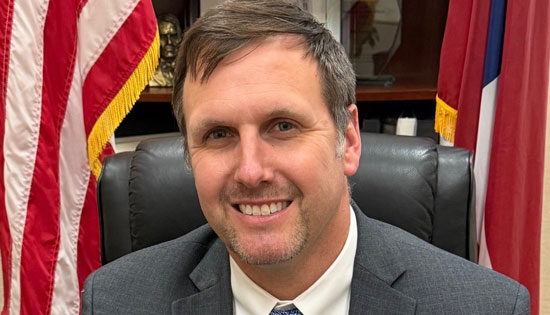
Robert Lambert, Valdosta Today Legal Contributor and Elder Law Attorney
While the basics of estate planning have remained the same for centuries, three key elements emerging in the 21st century that make estate planning a growing necessity. Those who already have a will and planned asset distribution may need to revamp their last will or revocable trust to include three concerns they may have previously overlooked: aging parents, pets, and digital assets. The need to provide quality care for aging parents who are living longer, the increasing desire to lay out instructions for the guardianship and care of family pets, and the conversion to digital assets have changed the face of estate planning and made its creation a greater necessity.
Aging Parents
People are living longer and reaching old age in better health, leaving Boomers to care for their aging parents. Some reports show that 15 percent of Americans currently care for an aging parent, friend or relative, with about 58 percent providing personal and financial support. Should the primary caregiver/child suddenly become incapacitated or die, the dependent parent will face major obstacles with continued personal care and financial support if provisions are not made. There is an increasing need to ensure that provisions are included in the estate plan for the care of an aging parent for this reason. Despite this fact, less than one-third of Americans have made provisions in their estate. It is clear that the necessity for estate planning is growing.
Ongoing Pet Care
Devoted pet owners recognize their pets as family members and they are making arrangements in the estate planning process for ongoing care, should their pet outlive them. Leaving a monetary legacy to a caregiver for ongoing pet care helps minimize the risk that the pet will end up in a shelter or abandoned. According to the BMO Retirement Institute, 87 percent of people feel pets are family members and 77 percent believe pets should be included in the estate plan. Many states allow for “pet trusts” to be set up to manage the funds and make sure the designated caregiver is performing.
Digital Assets
An increase in online banking usage among the 55-plus generation in recent years indicates that older Americans continue to cultivate an online presence. In 2010, for instance, only 20 percent of the age group preferred online banking, but by 2011, that figure climbed to 57 percent. According to the BMO Retirement Institute, the surge in this group’s digital choices has created millions of intangible assets.
Technology has changed the traditional concept of the heirloom—what was once a shoebox filled with photos, is now an electronic folder of files stored on a computer or uploaded to a secure, remote server. Bank statements, income tax returns, and other important documents are increasingly stored as soft copies on hard drives, rather than as hard copies stacked in a drawer. The consequences of not including digital assets with account information, such as passwords, in an estate plan will prevent a spouse or heir from accessing these accounts. An elder law attorney can help safeguard the information needed in the estate to access digital assets, close email accounts, and retrieve digital heirlooms, including sentimental photos and
music collections.
Give us a call today at 229-292-8989 to find out more information about this innovative approach to Elder law, Asset Protection, Estate, Medicaid and Life Care Planning. We have free information brochures, and offer free seminars on this subject. Lambert Elder Care Law office is located at 108 E. North Street, Valdosta, GA. Give us a call at 229-292-8989 or visit our website to www.legaladviceforseniors.com
Reference: Life Care Planning Law Firm Association (October 4, 2015))